A severe toothache, broken tooth or dental injury can happen without warning. When it does, figuring out what is wrong — and what needs to happen next — becomes the priority.
Union Street Dentistry provides emergency dental care in Schenectady for patients experiencing urgent dental problems. We can evaluate the source of your symptoms, determine the extent of the problem and recommend the appropriate treatment.
If you’re experiencing dental pain or think you may have a dental emergency, contact our office at (518) 346-6429.
Not every dental problem requires immediate treatment, but significant pain, swelling, trauma or sudden damage to a tooth should not be ignored.
Contact us if you’re experiencing:
If you’re unsure whether your situation qualifies as an emergency, call our office. We can help determine the appropriate next step.
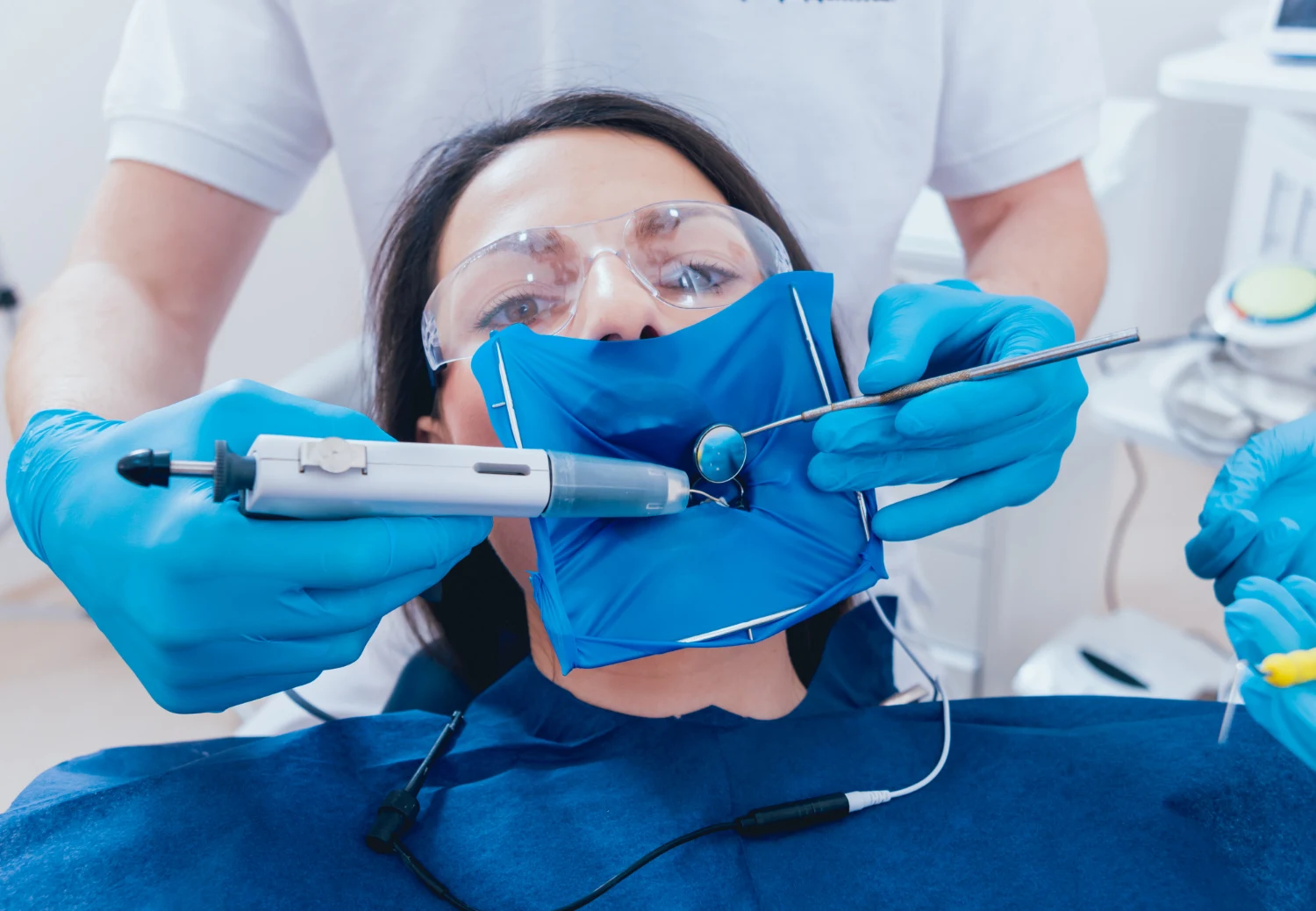
Tooth pain is one of the most common reasons patients seek emergency dental care.
A toothache can have many different causes, including:
Pain medication may temporarily reduce symptoms, but it does not address the underlying cause.
If tooth pain is persistent, worsening or severe enough to interfere with eating, sleeping or your normal activities, the tooth should be evaluated.
The goal of an emergency examination is to determine why the tooth hurts so the appropriate treatment can be recommended.

Teeth can break because of an injury, biting something hard, existing decay, large fillings or weakening that has developed over time.
Some fractures affect only a small portion of the tooth. Others extend deeper and can expose or damage the tissue inside.
Depending on the location and severity of the damage, treatment may involve:
Even if a broken tooth is not extremely painful, it should still be evaluated. Damage can worsen or allow bacteria to reach deeper portions of the tooth.
A dental abscess is an infection that can develop around a tooth or within the surrounding gum and bone.
Possible signs include:
Dental infections generally require professional treatment. Depending on the source and severity of the infection, treatment may involve root canal therapy, drainage, extraction or another approach.
Significant facial swelling, difficulty breathing or difficulty swallowing can indicate a serious infection and requires immediate medical attention.
A knocked-out permanent tooth is one of the most time-sensitive dental emergencies.
If possible:
The sooner a knocked-out permanent tooth receives professional attention, the better the opportunity may be to preserve it.
Do not attempt to reinsert a knocked-out baby tooth.
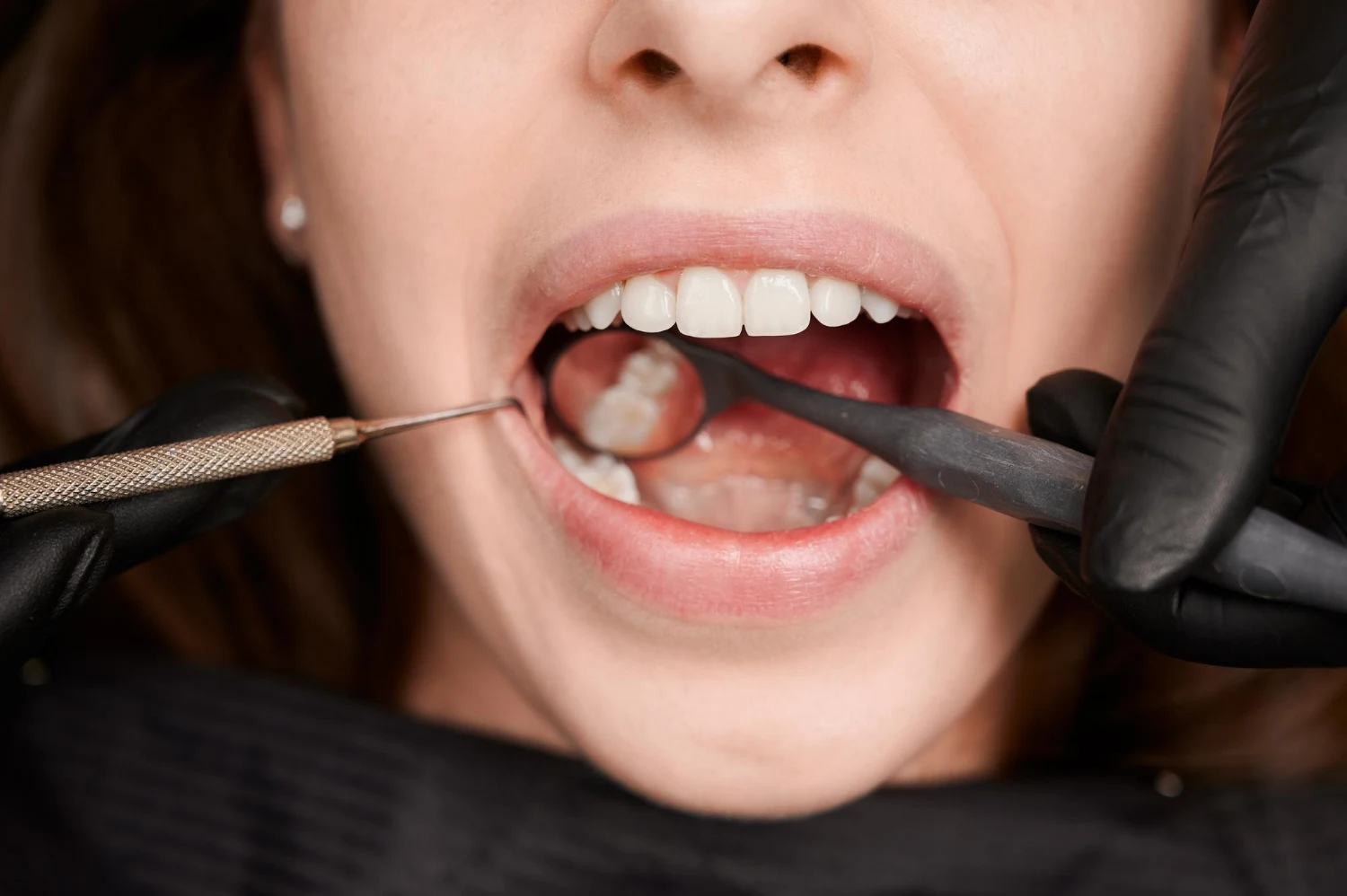
A filling or crown can loosen or break unexpectedly, sometimes exposing sensitive tooth structure underneath.
You may notice:
Avoid chewing directly on the affected tooth and contact our office.
Even if the tooth does not hurt, delaying treatment can leave it vulnerable to additional damage.
Severe tooth pain does not automatically mean the tooth needs to be removed.
When infection or inflammation affects the tissue inside a tooth, root canal treatment may be able to preserve the natural tooth.
Symptoms that may indicate a problem inside the tooth include:
An examination is necessary to determine whether root canal treatment is appropriate.
When possible, preserving a natural tooth is generally preferable to removing it unnecessarily.
Sometimes a tooth is too damaged or infected to be predictably restored.
In those situations, extraction may be the appropriate treatment.
Before recommending removal, we’ll evaluate the tooth and determine whether there is a reasonable way to preserve it.
If extraction becomes necessary, we can also discuss whether the missing tooth should eventually be replaced and what options may be available, including a dental bridge, partial denture or dental implant.
The immediate goal is to identify the source of the problem.
Your visit may include:
We'll ask what happened, where you're experiencing discomfort and when the symptoms began.
The affected tooth, gums and surrounding structures will be evaluated.
X-rays or other appropriate imaging may be used to look for decay, infection, fractures or problems that aren't visible during a clinical examination.
Once we understand what is causing the problem, we'll explain what we've found.
Treatment depends on the diagnosis. That may involve repairing the tooth, root canal treatment, extraction or another procedure. In some situations, immediate treatment may focus on stabilizing the problem before additional care is completed. The important part is getting an accurate diagnosis instead of trying to guess what is causing the pain.
Most toothaches, broken teeth, lost restorations and other problems involving the teeth themselves are best evaluated by a dentist.
However, some situations require emergency medical care.
Seek immediate medical attention or call 911 if you experience:
For urgent problems involving a tooth or dental restoration without those symptoms, contact our dental office.
What you should do depends on the type of emergency, but a few general precautions can help protect the area until you’re evaluated.
These measures are temporary. They do not replace diagnosis and treatment.
Dental problems rarely become easier to treat simply because they are ignored.
A small fracture can become larger. Decay can progress deeper into a tooth. An infection can spread. A restoration that could have been repaired may eventually require more extensive treatment.
That doesn’t mean every toothache is catastrophic.
It means persistent pain is your body’s way of telling you that something needs attention.
Getting the problem evaluated gives you the information you need to decide what to do next.
Yes. Union Street Dentistry provides emergency dental care for urgent dental problems including tooth pain, broken teeth, damaged restorations and other dental concerns. Contact the office to discuss your symptoms and appointment availability.
Yes. Tooth pain can have several causes, so an examination is necessary to determine what is happening and what treatment may be required.
No. Tooth pain can result from decay, fractures, gum problems, damaged dental work and several other conditions. Root canal treatment is only appropriate when the diagnosis indicates that the tissue inside the tooth has been affected.
Avoid chewing on the damaged tooth, save any broken pieces if possible and contact our office. The treatment depends on how much of the tooth was damaged.
Keep the crown if you have it and contact the office. Avoid chewing on the affected tooth until it has been evaluated.
Yes, when extraction is the appropriate treatment. However, a painful or damaged tooth does not automatically need to be removed. We’ll first determine whether it can reasonably be preserved.
A suspected dental infection should be evaluated promptly. Significant facial swelling, difficulty swallowing or difficulty breathing requires immediate medical attention.
Minor sensitivity can sometimes be temporary, but significant, persistent or worsening tooth pain should be evaluated rather than repeatedly masked with pain medication.
If you’re dealing with a toothache, broken tooth or another urgent dental problem, contact Union Street Dentistry.
We’ll help determine the appropriate next step based on your symptoms and appointment availability.
Our office is located at 1740 Union Street, Schenectady, NY 12309.