
If you’d like straighter teeth but don’t want traditional metal braces, Invisalign® may provide another option.
Invisalign uses a series of clear, removable aligners to gradually move the teeth into better positions. Because the aligners are discreet and can be removed for eating, brushing and flossing, treatment can fit more easily into everyday life for many adults and teens.
At Union Street Dentistry in Schenectady, we’ll evaluate your teeth, bite and alignment to determine whether Invisalign is appropriate for your needs and explain what you can realistically expect from treatment.
Invisalign is an orthodontic treatment that uses a planned series of clear aligners instead of brackets and wires.
Each set of aligners is designed to make small, controlled changes to the position of your teeth. As treatment progresses, you move through the series according to your prescribed schedule until the teeth reach their planned positions.
The aligners are removable, but successful treatment depends heavily on wearing them consistently as directed.
Invisalign can be used to address several common alignment concerns, depending on the complexity of the case.
Clear aligner treatment may be appropriate for patients with concerns such as:
Not every orthodontic problem is best treated with Invisalign.
The severity of the tooth movement required, your bite, jaw relationships and other factors all need to be considered before determining whether clear aligners are appropriate.
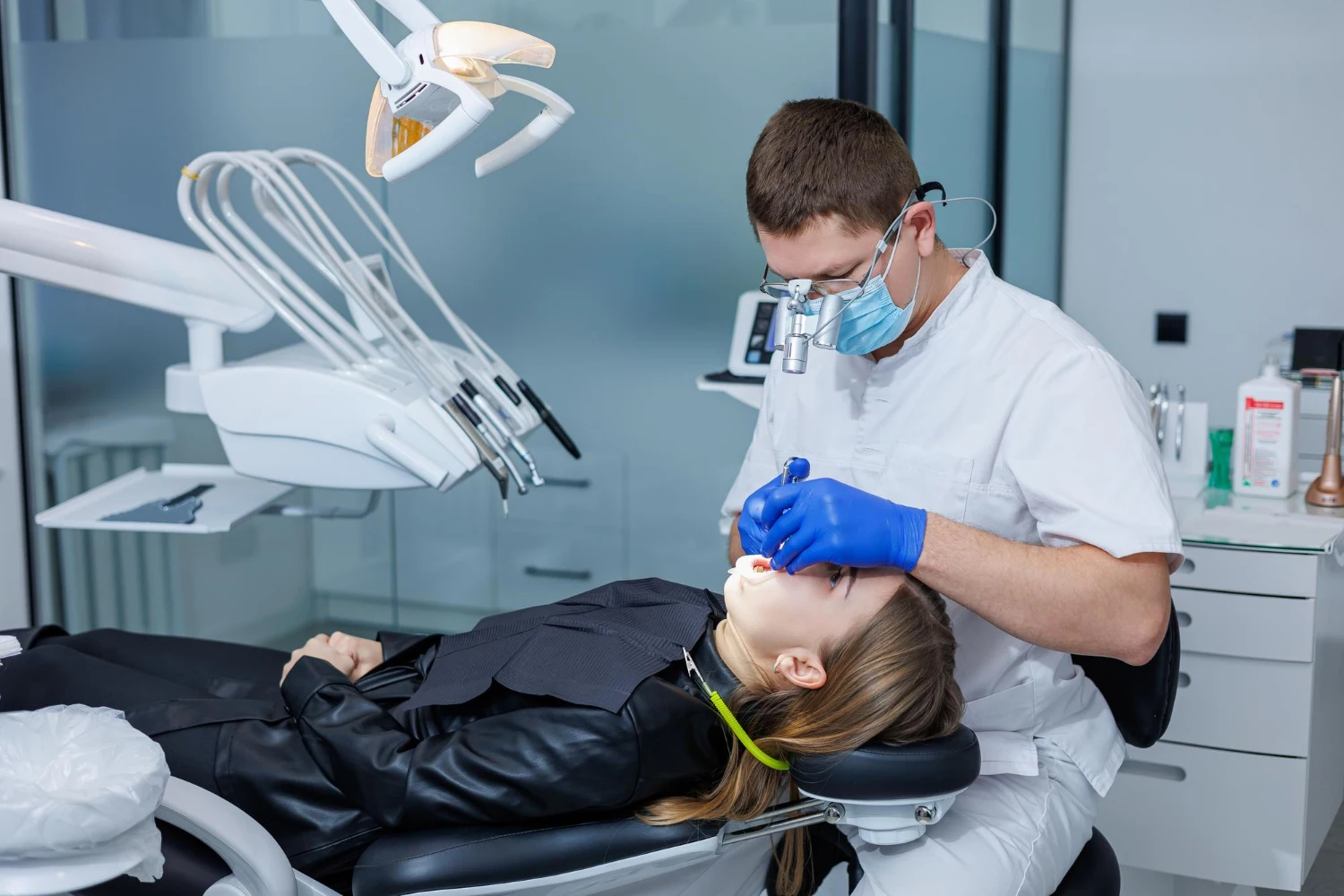
You’re not too old to straighten your teeth.
Many adults consider Invisalign because they never had orthodontic treatment when they were younger, stopped wearing retainers after braces or have noticed their teeth gradually shifting with age.
Others simply want to improve their smile without wearing visible brackets and wires.
Because the aligners are clear and removable, Invisalign can be particularly appealing to adults who want orthodontic treatment to be less noticeable during work, social events and daily activities.
Age itself is not the deciding factor. The health of your teeth and gums and the type of movement required are much more important.
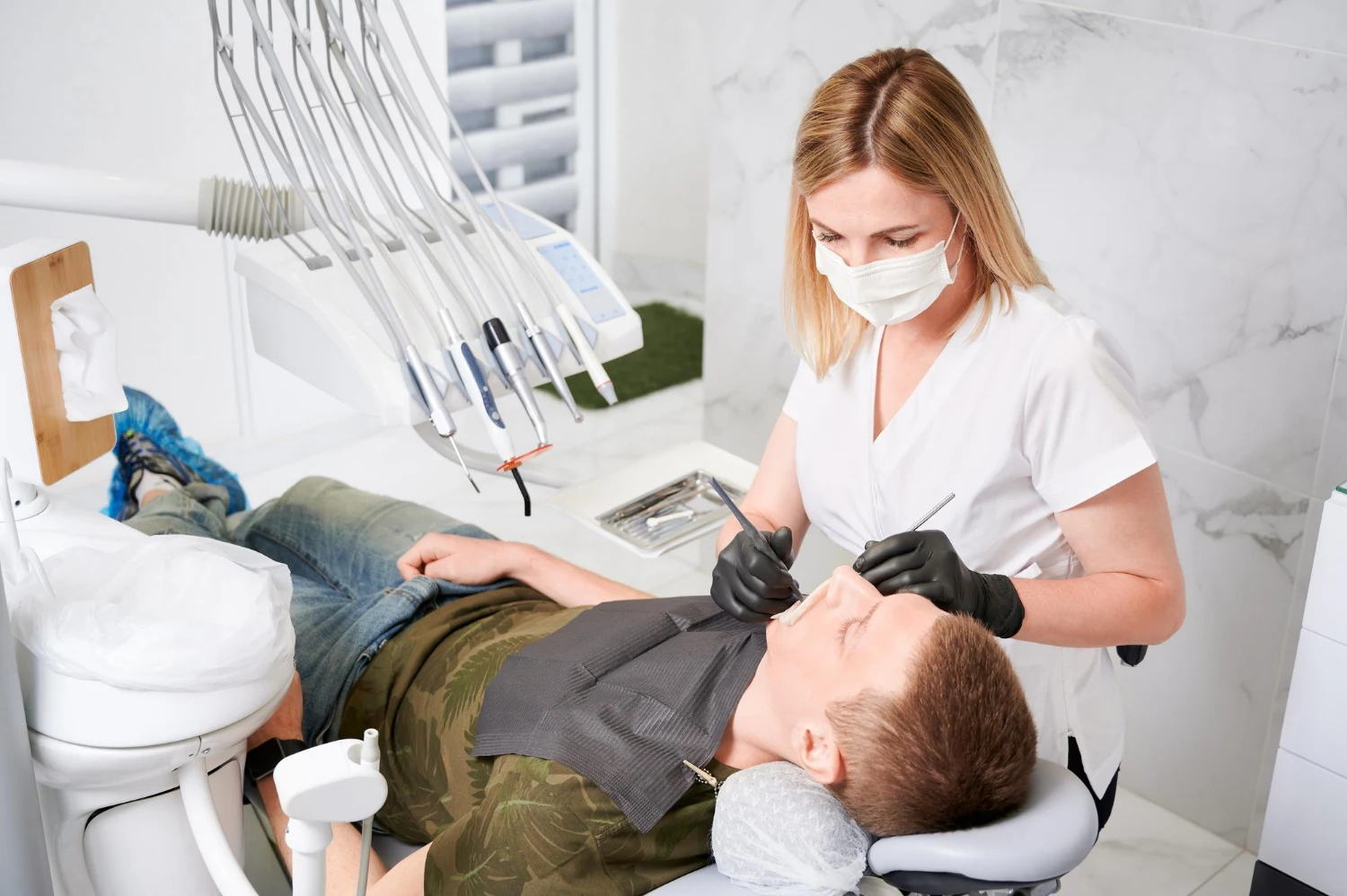
Invisalign may also be an option for some teenage patients.
Clear aligners can provide a discreet alternative to traditional braces while allowing the patient to remove the trays when eating, brushing and flossing.
However, Invisalign requires responsibility.
Because the aligners only work while they are being worn, patients need to follow the prescribed wear schedule consistently.
We’ll evaluate the teeth and bite and discuss whether clear aligners are an appropriate option based on the patient’s individual orthodontic needs.
Both Invisalign and traditional braces are designed to move teeth, but they accomplish that goal differently.
Invisalign uses removable clear aligners that fit over the teeth.
Benefits may include:
Braces use brackets attached to the teeth and wires to control tooth movement.
Because braces remain attached throughout treatment, they don’t depend on the patient remembering to put them back in after meals.
Traditional orthodontics can also be more appropriate for certain complex tooth movements or bite problems.
The right choice depends on the individual case rather than which option is simply more convenient.
The clear aligners are designed to be much less noticeable than conventional metal braces.
The trays can be removed for eating, drinking certain beverages and completing your normal oral hygiene routine.
Because you remove the aligners when eating, you don't have the same food restrictions associated with protecting orthodontic brackets and wires.
Being able to remove the aligners allows you to brush and floss your teeth normally throughout treatment.
Your treatment is designed around a sequence of aligners that progressively guide the teeth toward their intended positions.
We begin by examining your teeth, bite and alignment and discussing what you would like to improve. The first question isn't simply whether you want Invisalign. It's whether clear aligners can predictably accomplish the tooth movement you need.
Records of your teeth are used to plan how they need to move and create your series of custom aligners. Your treatment plan will also give us an idea of the expected sequence and approximate duration of treatment.
Once your aligners are ready, we'll explain how to wear and care for them. You will move through different sets of aligners as treatment progresses.
Periodic appointments allow us to evaluate how your teeth are responding and make sure treatment remains on track.
Straightening your teeth is only part of orthodontic treatment. After Invisalign is complete, retainers are typically used to help maintain the new tooth positions and reduce the risk of unwanted shifting.
Invisalign works by applying controlled pressure to the teeth over time.
That means consistency matters.
The aligners generally need to be worn throughout most of the day and night and are removed primarily for eating, drinking anything other than appropriate beverages, and cleaning your teeth.
If aligners are repeatedly left out for long periods, tooth movement may not progress according to plan.
We’ll give you specific instructions based on your treatment.
You generally remove Invisalign aligners before eating.
This allows you to continue enjoying a normal variety of foods without worrying about damaging brackets or wires.
Before putting the aligners back in, it’s important to keep both your teeth and trays clean.
One of Invisalign’s major advantages is that you aren’t forced to change what you eat because of fixed orthodontic hardware.
It’s normal to notice pressure or temporary tenderness when you begin wearing a new set of aligners.
That sensation occurs because the aligners are applying force to move the teeth.
For most patients, this is different from severe dental pain and tends to improve as the mouth adjusts to each new stage of treatment.
If you experience significant or unexpected discomfort, let us know so the situation can be evaluated.
Treatment time varies.
A patient correcting relatively minor tooth movement may require significantly less treatment than someone with substantial crowding or bite correction.
Factors that can affect treatment time include:
We’ll provide a more meaningful estimate after evaluating your teeth and developing your treatment plan.
Invisalign works well for many patients, but it isn’t appropriate for every situation.
Good candidates generally need:
Untreated cavities, active gum disease or other dental problems may need to be addressed before orthodontic treatment begins.
More complex orthodontic conditions may also require a different treatment approach.
The consultation allows us to determine whether Invisalign is likely to give you the result you’re looking for.
You’re not alone.
Teeth can gradually move after orthodontic treatment, particularly when retainers are no longer worn.
If you had braces or clear aligners in the past and have noticed crowding, spacing or other movement returning, Invisalign may be an option for correcting that relapse.
The amount of movement required will determine how extensive retreatment needs to be.
Sometimes, yes.
Patients occasionally consider veneers because their teeth look crooked, uneven or poorly positioned when the underlying issue is actually alignment.
Moving the natural teeth into better positions can sometimes provide the cosmetic improvement the patient wants without covering healthy tooth structure with restorations.
Other patients may benefit from combining Invisalign with cosmetic treatments such as professional whitening after orthodontic treatment is complete.
The best approach depends on what you want to change.
In some cases, improving tooth position can make other restorative or cosmetic treatment easier to plan.
For example, orthodontic treatment may be considered before:
Moving teeth into more favorable positions first can sometimes create better spacing, alignment or proportions for the treatment that follows.
When multiple procedures are being considered, planning the correct sequence from the beginning is important.
Your aligners need regular cleaning just like your teeth.
You should follow the care instructions provided with your treatment and avoid exposing the trays to conditions that could damage or distort them.
It’s also important to brush and floss your teeth consistently before putting the aligners back in.
Because the trays sit closely against your teeth, keeping both the aligners and your mouth clean helps prevent plaque and food debris from being trapped for long periods.
Once your teeth reach their planned positions, the goal shifts from moving them to keeping them there.
Teeth naturally have a tendency to move over time, which is why retainers are an important part of orthodontic treatment.
We’ll discuss your retention plan once active treatment is complete.
Failing to wear retainers as directed can allow the teeth to gradually shift away from their corrected positions.
The cost of Invisalign varies based on the complexity and length of treatment.
Factors may include:
A minor correction will not necessarily require the same level of treatment as a more complex orthodontic case.
After your Invisalign evaluation, we’ll explain the recommended treatment plan and associated costs.
If you’re considering straightening your teeth, the first step is finding out whether Invisalign can accomplish what you want.
Union Street Dentistry provides Invisalign treatment at our office at 1740 Union Street in Schenectady, NY.
We’ll evaluate your teeth and bite, discuss your goals and help you understand whether clear aligners are appropriate for your smile.
Yes. Union Street Dentistry provides Invisalign clear aligner treatment for appropriate adults and teens in Schenectady and the surrounding area.
No. Invisalign can treat a variety of alignment and bite concerns, although the complexity of the case determines whether clear aligners are the appropriate treatment.
No orthodontic appliance is literally invisible, but Invisalign aligners are clear and generally much less noticeable than traditional metal braces.
The aligners are removable, but they need to be worn consistently for treatment to work as planned. They are generally removed for meals and oral hygiene rather than simply whenever convenient.
It’s generally best to remove the aligners when drinking beverages that could stain the trays or affect the teeth underneath them and follow the care instructions provided during treatment.
Yes, retention is an important part of maintaining orthodontic results. Teeth can shift after treatment if they aren’t properly retained.
Potentially. Invisalign is commonly considered for patients who experience orthodontic relapse after previous braces or clear aligner treatment.
Neither treatment is universally better. Invisalign offers advantages such as removable, discreet aligners, while traditional braces may be more appropriate for certain orthodontic problems. The best option depends on your individual case.
An examination of your teeth, gums, bite and alignment is necessary to determine whether Invisalign can predictably address your orthodontic concerns.
If you’ve been thinking about straightening your teeth but don’t want traditional braces, find out whether Invisalign is an option.
Contact Union Street Dentistry to schedule an Invisalign consultation at our Schenectady dental office.