When several or all of your teeth are missing, replacing them can make a significant difference in your everyday life.
Dentures remain one of the most versatile ways to restore a smile after tooth loss. Today’s options range from traditional full and partial dentures to dentures supported by dental implants for greater stability.
At Union Street Dentistry in Schenectady, we’ll evaluate your remaining teeth, gums, jaw and individual needs before helping you compare your tooth replacement options.
Whether you’re receiving dentures for the first time, replacing an older set or looking for a more stable alternative to dentures that move or loosen, we’ll help you determine which approach makes sense for you.
There is no single type of denture that works for every patient.
The best solution depends on how many teeth you’re missing, the condition of your remaining teeth, available bone, desired level of stability and whether you prefer a removable or implant-supported option.
At Union Street Dentistry, options may include:
Understanding the differences between these treatments is an important part of choosing the right approach.
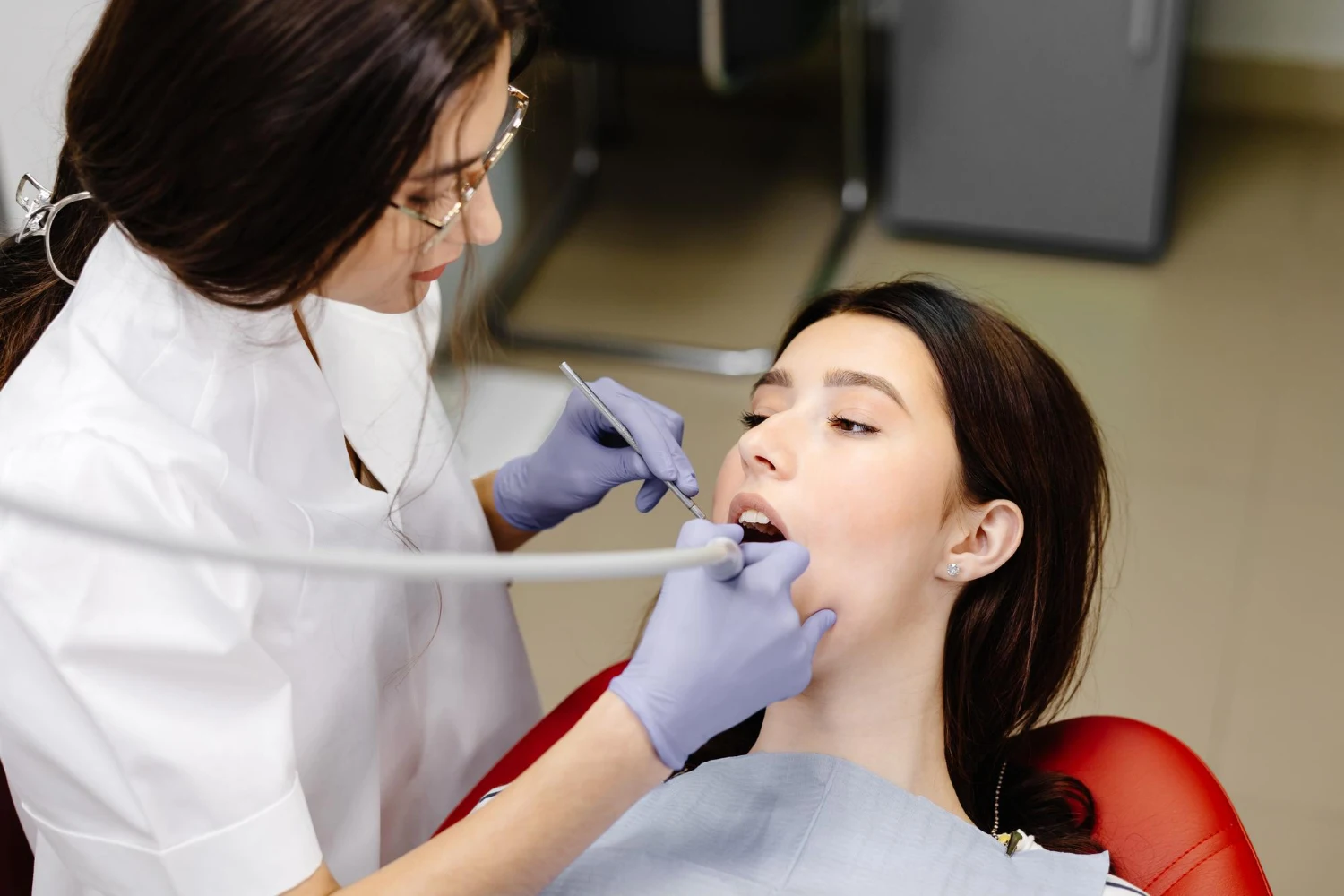
Full dentures are designed to replace all of the teeth in an upper or lower arch.
The denture includes a complete set of replacement teeth supported by a base designed to fit over the gums.
For patients who have already lost their teeth—or whose remaining teeth cannot be predictably restored—a full denture can restore the appearance of the smile and provide a functional replacement for missing teeth.
Because conventional dentures are removable and rest on the gums, getting the proper fit is important for comfort and function.
Over time, changes in the gums and jaw can also affect how a denture fits, which is why ongoing dental care remains important even when you no longer have natural teeth.
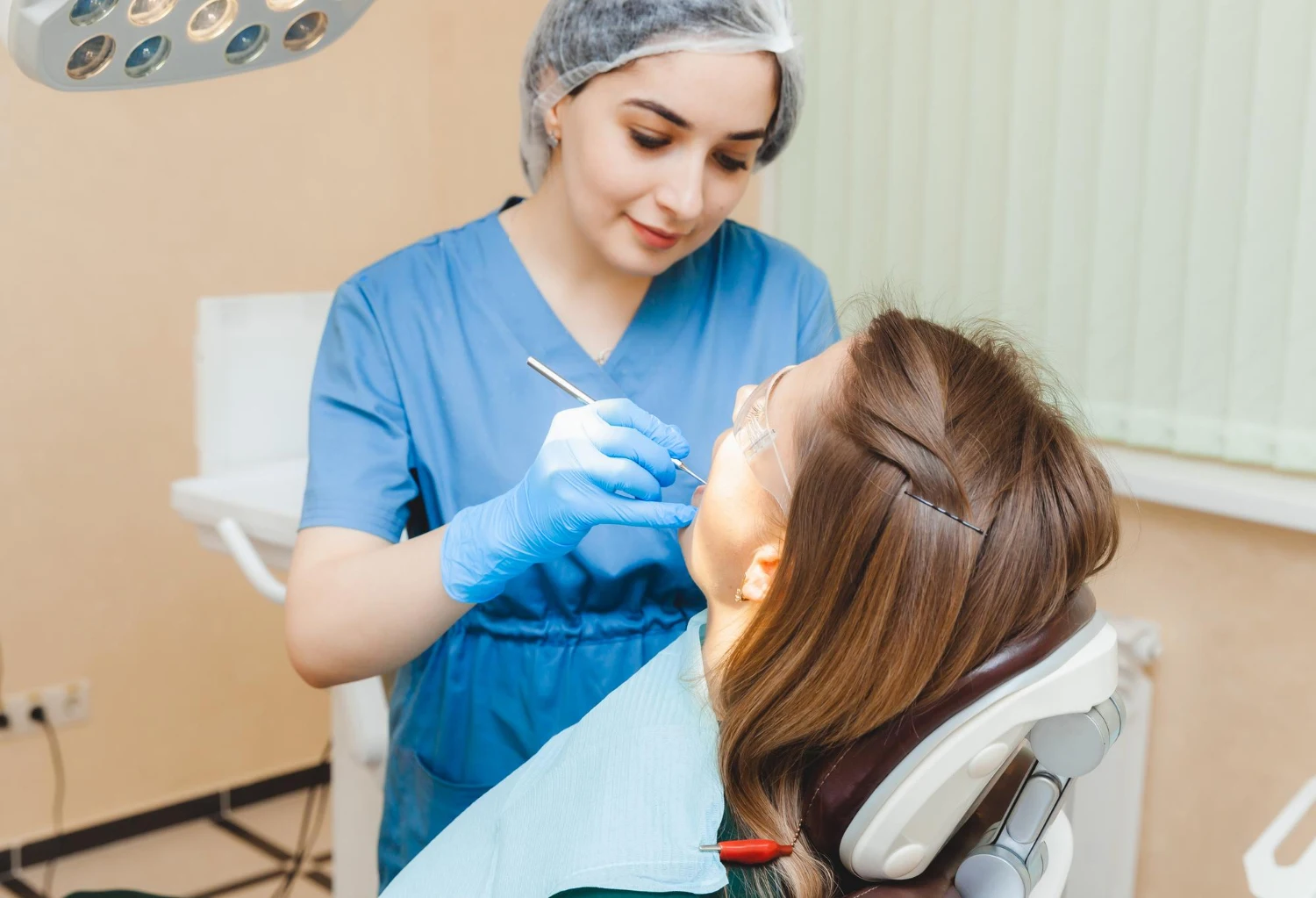
If you still have healthy natural teeth, a partial denture may be used to replace the teeth that are missing without replacing the entire arch.
A partial denture fills the spaces created by tooth loss and uses the remaining teeth for support.
Partial dentures can be an appropriate option when several teeth need to be replaced but enough healthy natural teeth remain to support the restoration.
Depending on your situation, other options such as dental bridges or dental implants may also be considered.
We’ll help you compare the advantages, limitations and costs of each approach before deciding how to replace the missing teeth.
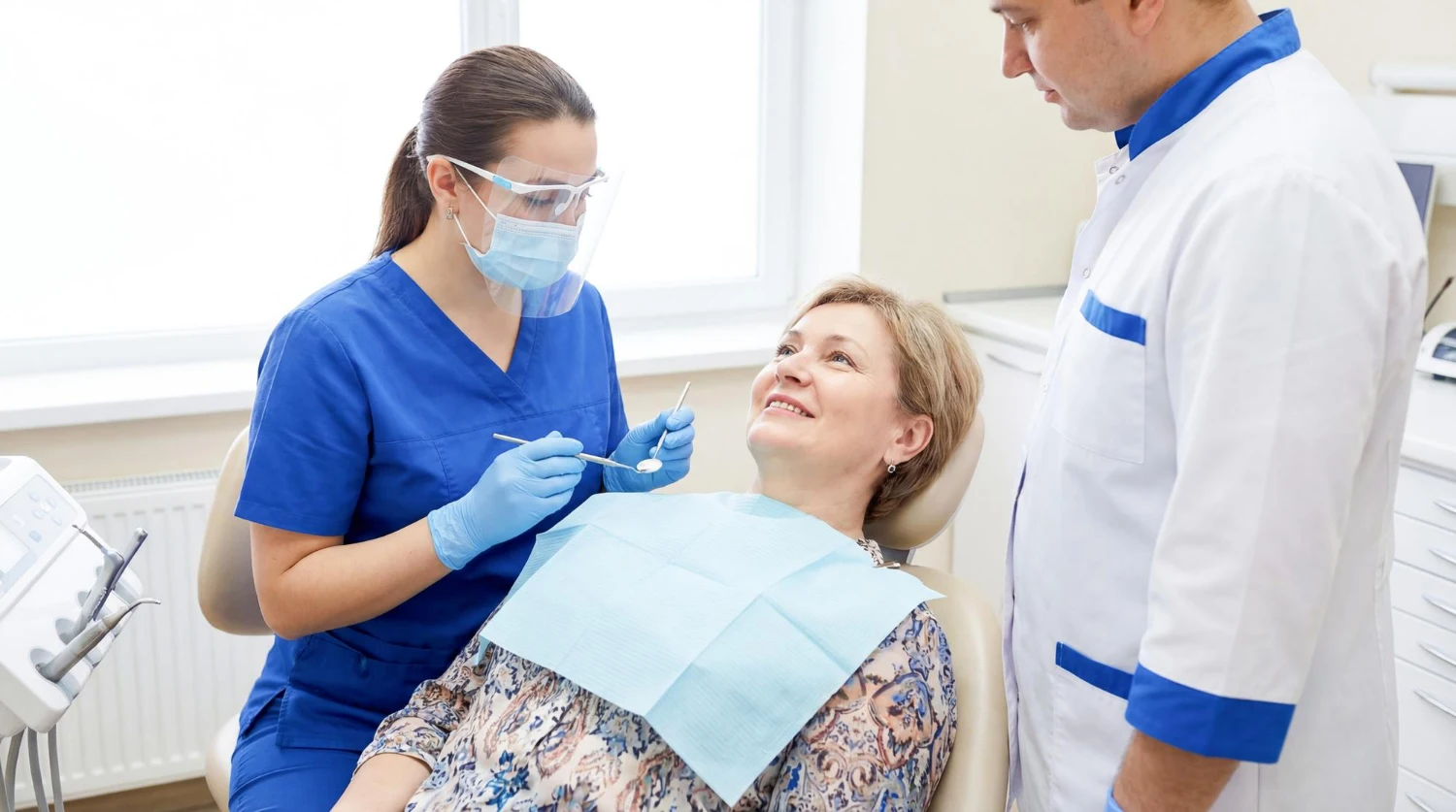
One of the most common frustrations with traditional dentures is movement.
A denture that shifts while eating or speaking can make patients feel uncomfortable and self-conscious. Changes in the jaw and gums over time can also affect how securely a denture fits.
Dental implants can provide additional support.
With an implant-supported denture, implants are placed within the jaw and used to help secure the prosthesis. Rather than relying entirely on the gums for support, the denture connects to the implants for greater stability.
For patients who are appropriate candidates, this can create a noticeable difference in how secure their teeth feel during everyday use.
Both treatments replace missing teeth, but the way they are supported is different.
Conventional dentures rest primarily on the gums.
They are removable and don’t require dental implant surgery, making them an appropriate tooth replacement option for many patients.
However, because they aren’t anchored to the jaw, some movement can occur—particularly as the shape of the gums and underlying bone changes over time.
Implant-supported dentures use dental implants placed in the jaw to provide additional retention and stability.
The denture can still be removable depending on its design, but it attaches securely to the implants rather than simply resting on the gums.
This may help reduce shifting and provide patients with greater confidence when eating, speaking and smiling.
The right option depends on your oral health, anatomy, preferences and treatment goals.
For patients who want more stability than a conventional denture provides but do not necessarily need or want a fixed full-arch restoration, implant-supported dentures can provide an effective middle ground.
Dental implants help hold the denture in position, reducing unwanted movement during normal use.
A more stable denture can make chewing feel more secure and predictable.
Reducing movement of the denture can help patients feel more comfortable speaking and interacting socially.
Because the restoration connects to dental implants, patients may not need to rely on traditional denture adhesives for retention.
Implants transfer forces into the jaw and provide support that conventional dentures cannot provide on their own.
This distinction can get confusing because people often use terms like implant dentures, permanent dentures, snap-in dentures, All-on-4 and full-mouth implants to describe several different treatments.
The biggest difference is whether the final teeth are designed to be removable by the patient.
These dentures connect to implants for stability but can still be removed by the patient for cleaning.
A fixed full-arch restoration remains attached to the implants during normal daily use and is generally removed only when professionally necessary.
Full-arch restorations may use treatment concepts such as All-on-4®, depending on the patient’s needs.
Neither option is universally better.
Some patients prefer the removability and ease of cleaning associated with an implant-supported denture. Others specifically want replacement teeth that stay fixed in place.
If you’re interested in a fixed option, we can evaluate whether full-arch dental implants may be appropriate.
Dentures can become loose for several reasons.
After teeth are lost, the shape of the jaw and gums can gradually change. A denture that fit well when it was originally made may therefore fit differently years later.
Signs that your denture may need attention include:
The solution depends on the condition and fit of the denture as well as the health of the underlying tissues.
Sometimes an existing denture can be adjusted. Other patients may benefit from a new denture or want to explore dental implants for additional stability.
Potentially, yes.
Many patients begin considering dental implants precisely because they have worn traditional dentures and want something more stable.
Whether you can transition to an implant-supported option depends on factors such as:
Even if you’ve been without teeth for many years, it is worth having your situation evaluated rather than assuming dental implants are no longer possible.
Bone loss commonly occurs after teeth have been missing for an extended period.
That doesn’t automatically mean implant-supported dentures are impossible.
The amount and location of available bone need to be evaluated with appropriate dental imaging. Depending on your anatomy and treatment goals, implant placement may still be possible, or additional treatment such as bone grafting may need to be considered.
We’ll evaluate your specific situation before recommending an implant-based treatment.
There is an adjustment period with new dentures.
Eating and speaking with a dental prosthesis can initially feel different from using natural teeth. You may also notice changes in saliva production or areas of pressure while your mouth adapts.
Those experiences generally improve as you become accustomed to the denture, but a persistent sore spot or significant discomfort should not simply be ignored.
Adjustments can often improve the fit and comfort of a new denture.
Implant-supported dentures may feel more stable because the implants help control movement, but patients still need time to become accustomed to their new teeth.
The process varies depending on whether you’re receiving traditional dentures, having teeth removed or incorporating dental implants into treatment.
In general, treatment begins with an evaluation of your mouth and a discussion about the type of replacement you’re considering.
We'll examine your existing teeth, gums and bite and determine which teeth, if any, can be preserved.
We'll discuss whether a partial denture, full denture, implant-supported denture or another tooth replacement option is most appropriate. If teeth need to be removed, that will become part of the treatment plan.
Records and measurements are used to design a restoration appropriate for your mouth, bite and smile.
Once the denture is ready, we'll evaluate the fit and bite. Adjustments are common as you adapt to a new denture, particularly when the gums are healing following tooth removal.
Your mouth continues to change over time. Regular dental visits allow us to examine your gums and oral tissues, assess the condition of your denture and make recommendations if the fit changes.
Proper maintenance helps protect both the denture and the tissues underneath it.
Depending on the type of restoration, care may include:
Even patients with no remaining natural teeth should continue seeing a dentist.
The gums, jaw, implants and other oral tissues still need to be evaluated.
Dentures are durable, but they are not expected to remain unchanged forever.
Normal wear can affect the teeth and denture material, while changes to the jaw and gums can alter the fit.
Over time, a denture may require:
Rather than waiting until a denture becomes extremely uncomfortable or unusable, having it periodically evaluated can help identify changes earlier.
The cost depends on the type of tooth replacement you choose.
A traditional removable denture involves very different treatment from an implant-supported denture, and implant treatment can vary depending on the number of implants and any additional procedures required.
Factors affecting treatment cost may include:
After evaluating your mouth and understanding what you’re looking for, we can explain your treatment options and associated costs.
You don’t need to know the answer before you come in.
Some patients are primarily looking for an affordable way to replace missing teeth. Others already have dentures and want them to stop moving. Some want to avoid removable teeth altogether and are interested in a fixed implant solution.
Those are different goals and may lead to different treatment recommendations.
At Union Street Dentistry, we’ll evaluate what you currently have, discuss what you’d like to improve and explain the differences between your options.
Yes. Union Street Dentistry provides tooth replacement options including traditional dentures and implant-supported dentures for patients in Schenectady and the surrounding area.
A full denture replaces an entire arch of teeth. A partial denture replaces several missing teeth while working around natural teeth that remain.
Implant-supported dentures connect to dental implants placed within the jaw. The implants provide additional stability compared with a conventional denture that rests primarily on the gums.
Some are. Implant-supported dentures can be designed so the patient removes them for cleaning. Fixed full-arch implant restorations are a different option and remain attached during normal daily use.
Potentially. Dental implants can be used to provide additional support and retention for a denture. An evaluation is necessary to determine whether you’re a candidate.
Possibly. Long-term tooth loss can lead to bone changes, but that does not automatically prevent implant treatment. Dental imaging is needed to evaluate the available bone and determine your options.
Eventually, many dentures require replacement due to normal wear or changes in the mouth. Some can be adjusted or relined before complete replacement becomes necessary.
Yes. Regular dental visits allow your dentist to evaluate your gums, oral tissues, jaw and the condition and fit of your dentures.
No. Both use dental implants, but they may involve different implant configurations and different types of final restorations. All-on-4® is a specific full-arch implant treatment concept.
Replacing missing teeth isn’t simply about choosing between “dentures or implants.”
There are several options in between.
Whether you need your first denture, want to replace an older one or are interested in using dental implants for greater stability, Union Street Dentistry can help you understand what is possible.
Visit us at 1740 Union Street in Schenectady, NY to discuss traditional dentures, implant-supported dentures and other options for replacing missing teeth.