
Missing teeth can affect much more than the appearance of your smile. They can change the way you chew, make certain foods more difficult to enjoy and affect the health and stability of your remaining teeth.
Dental implants offer a strong, natural-looking way to replace missing teeth and restore function without relying solely on removable appliances or neighboring teeth for support.
At Union Street Dentistry in Schenectady, we provide dental implant treatment for patients missing one tooth, several teeth or an entire arch. Your treatment begins with a careful evaluation of your oral health, existing teeth, bone structure and long-term goals so we can determine which tooth replacement option makes the most sense for you.
A dental implant is a small post placed in the jawbone to replace the root portion of a missing tooth. Once the implant has integrated with the surrounding bone, it can provide a stable foundation for a dental restoration.
Depending on the number of teeth being replaced, dental implants can support:
Because the implant is anchored in the jaw rather than simply resting on the gums, it provides a level of stability that traditional removable tooth replacement options cannot provide.
The result is a replacement designed to restore both the appearance and function of missing teeth.
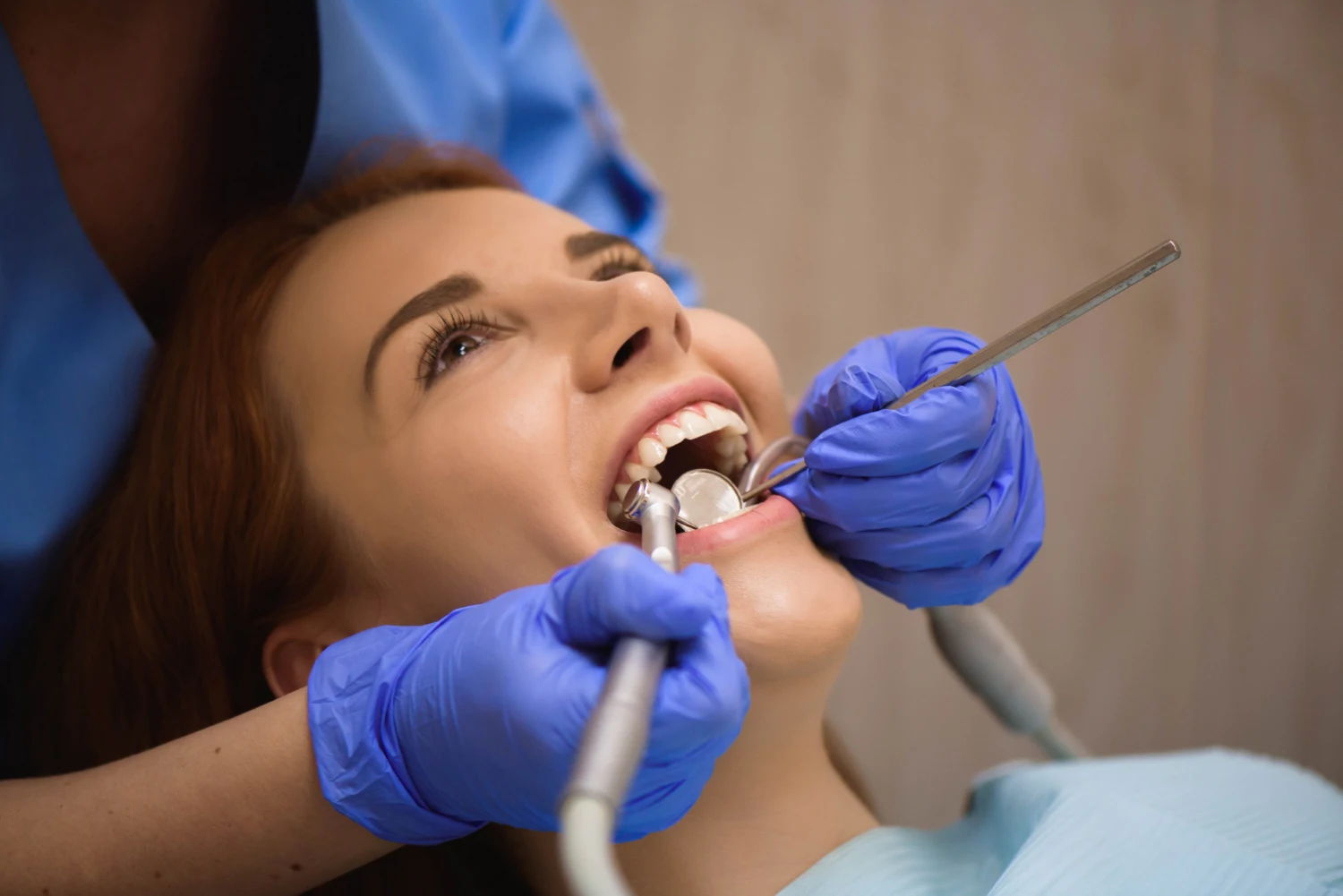
No two cases of tooth loss are exactly the same.
Someone missing a single tooth has very different needs from someone struggling with an entire arch of failing teeth. That’s why dental implants aren’t one specific treatment but rather a foundation that can be used in several different ways.
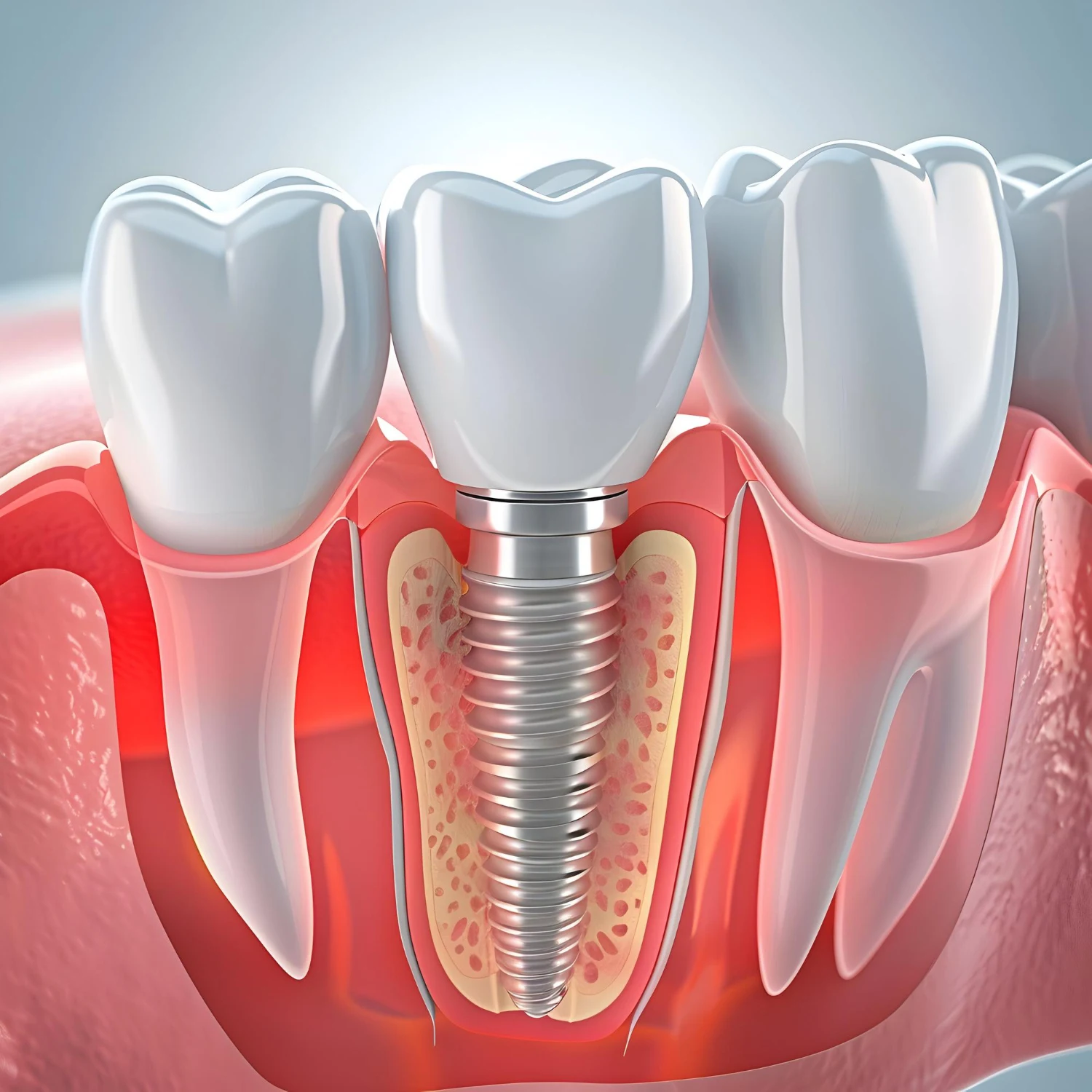
If you’re missing one tooth, a dental implant topped with a custom restoration can replace it without requiring the neighboring healthy teeth to support a traditional bridge.
The implant replaces the missing tooth root while the restoration above the gumline recreates the visible portion of the tooth.
A single implant can be an excellent option when the surrounding teeth are healthy and there is adequate bone to support the implant.
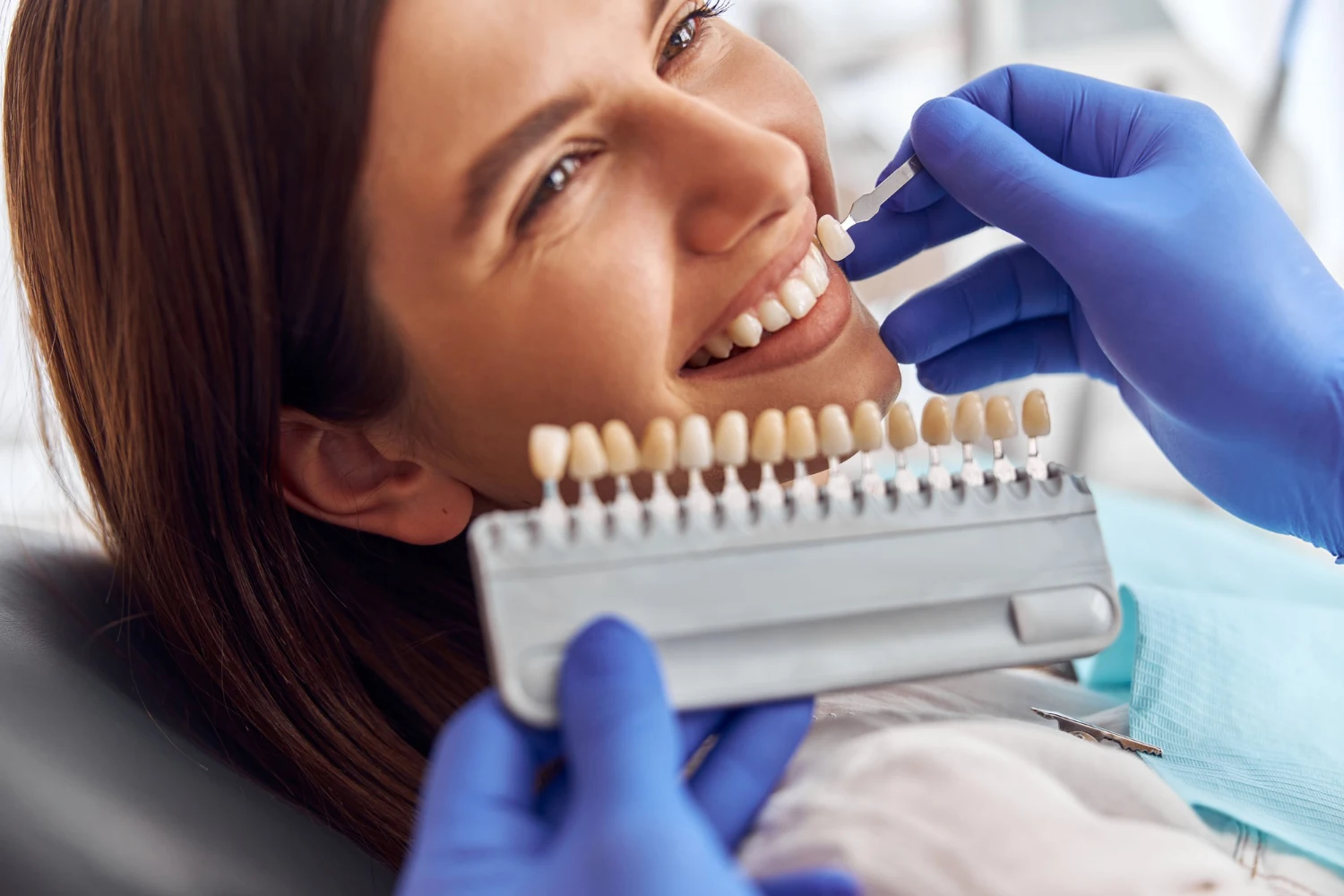
You don’t necessarily need one implant for every missing tooth.
When several teeth are missing together, strategically positioned implants may be able to support a bridge that replaces multiple teeth.
This can provide a stable, fixed solution while avoiding the need for a removable partial denture in appropriate cases.
The number and position of implants required will depend on the location of the missing teeth, available bone and your individual treatment needs.
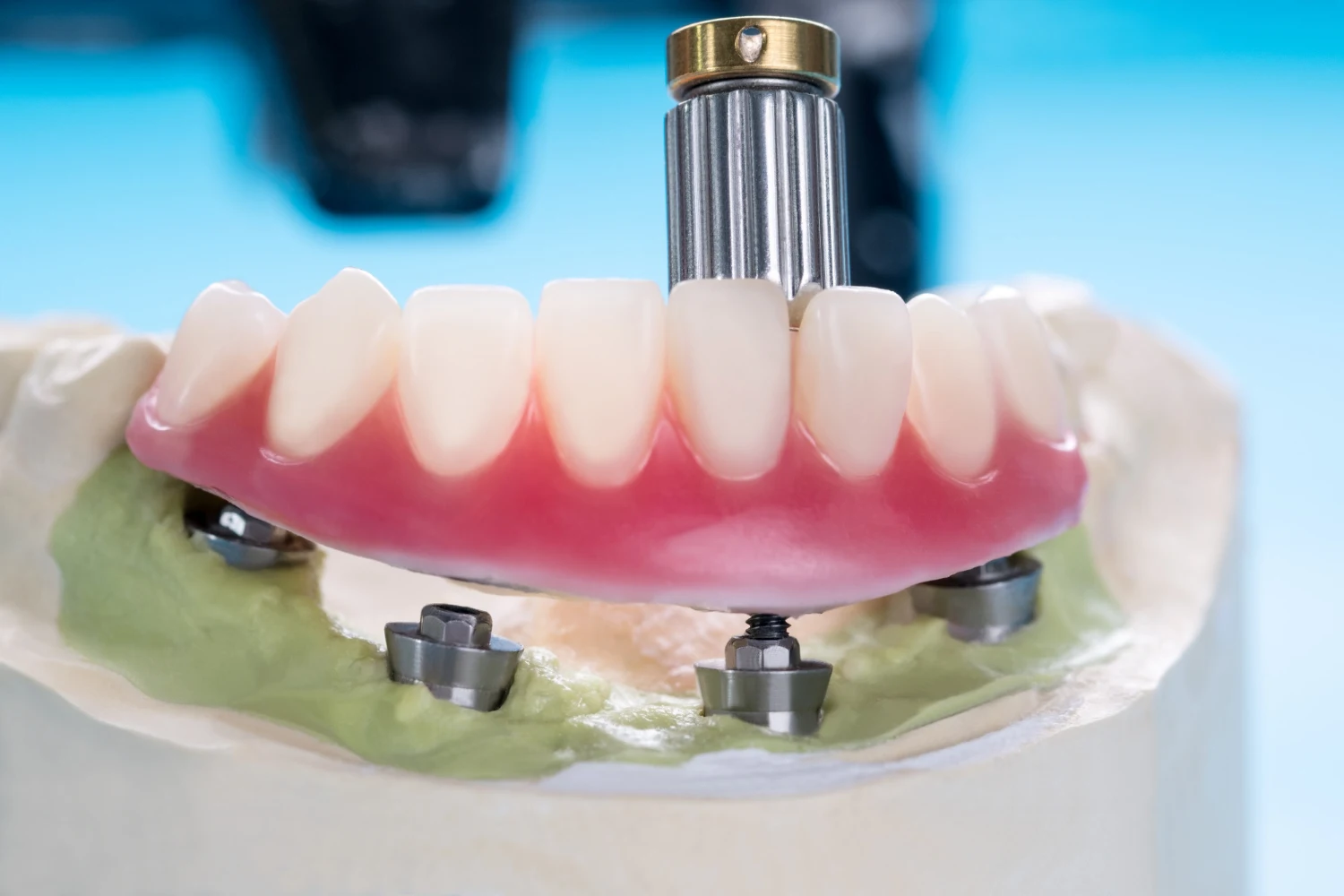
Traditional dentures rest on the gums. Dental implants can instead be used to help support and stabilize a denture.
For patients who struggle with movement, looseness or lack of confidence with conventional dentures, an implant-supported option may provide improved stability during everyday activities such as eating and speaking.
There are different types of implant-supported restorations, and the appropriate design depends on your oral health, anatomy and goals.
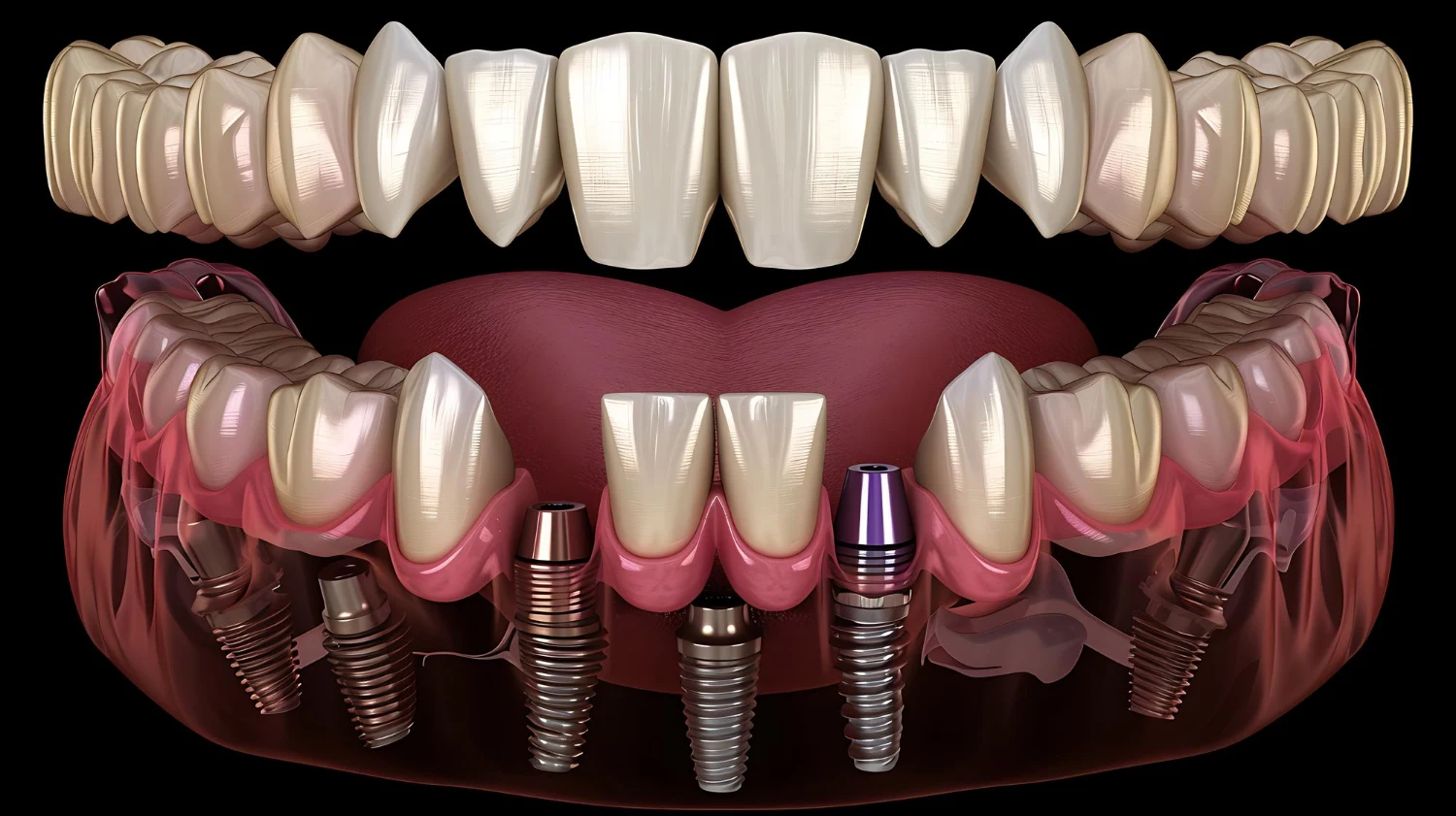
For patients who have lost most or all of the teeth in an upper or lower arch — or whose remaining teeth can no longer be predictably restored — dental implants may be used to support an entire arch of replacement teeth.
Full-arch treatment can provide a more stable alternative to conventional removable dentures and can dramatically change how patients with extensive tooth loss function day to day.
Union Street Dentistry also offers All-on-4® dental implant treatment for appropriate candidates.
Because full-arch reconstruction involves different considerations than replacing one or two teeth, we’ve created a separate resource dedicated to those treatment options.
It’s easy to think of a missing tooth as primarily a cosmetic problem, particularly when the space isn’t visible when you smile.
But teeth work together as a system.
When a tooth is lost, several changes can occur over time. Neighboring teeth may begin shifting toward the open space, the opposing tooth may move because it no longer has a tooth to bite against, and the bone that previously supported the tooth root can gradually change.
Missing teeth can also make chewing less efficient, especially when several teeth are involved.
Replacing a missing tooth can help restore function, fill the open space and provide better support for your overall bite.
Dental implants have become an important option in modern restorative dentistry because they address tooth loss in a fundamentally different way than many traditional restorations.
Because implants are placed within the jawbone, they provide a stable foundation for the restoration attached to them.
The visible restoration is designed to complement your surrounding teeth and smile.
Replacing missing teeth can make biting and chewing more comfortable and efficient.
A single implant can replace a missing tooth without requiring healthy neighboring teeth to be prepared simply to support a conventional bridge.
Dental implants can also be used to stabilize dentures or support an entire arch of replacement teeth.
A dental implant transfers forces into the jawbone in the area where the natural tooth root was lost, helping maintain stimulation of the surrounding bone.
Many adults with missing teeth can be considered for dental implant treatment, but implants aren’t automatically the right solution for everyone.
Several factors need to be evaluated first, including:
Having experienced bone loss does not necessarily mean dental implants are impossible. Depending on the situation, bone grafting or another treatment may be considered before or in conjunction with implant treatment.
The only way to know whether you’re a good candidate is to evaluate your specific situation.
Dental implant treatment is completed in stages, and the exact process varies depending on your individual needs.
Treatment begins with an examination of your teeth, gums and jaw. We'll discuss which teeth are missing or need treatment, what you're hoping to accomplish and the available replacement options. Dental imaging may also be used to evaluate the bone and plan implant treatment.
Once we understand your dental condition, we can develop a treatment plan based on the number of teeth being replaced and the type of final restoration you need. Some patients require straightforward single-tooth replacement. Others may need extractions, bone grafting or more extensive reconstruction before receiving their final restoration.
The dental implant is positioned within the jawbone at the planned location. Healing time is then typically needed so the implant can integrate with the surrounding bone and develop a stable foundation for the restoration.
Once the implant is ready to support the final restoration, the replacement tooth or teeth can be completed. Depending on your treatment, this may be a crown, bridge, implant-supported denture or full-arch restoration.
Both dental implants and bridges can be effective ways to replace missing teeth. A traditional dental bridge fills the missing space using neighboring teeth for support. A dental implant replaces the missing tooth independently by using an implant in the jaw as its foundation. Which option makes more sense depends on several factors, including:
You don’t have to decide which type of dental implant treatment you need before making an appointment.
That’s what the consultation is for.
Whether you’re missing one tooth, several teeth or an entire arch, Union Street Dentistry can evaluate your smile and explain your options for restoring the teeth you’ve lost.
Visit us at 1740 Union Street in Schenectady, NY to learn whether dental implants are right for you.