Good dental care starts with more than treating problems when something hurts. Regular preventive care, early diagnosis and timely restorative treatment can help you protect your natural teeth and maintain a healthy smile for years to come.
At Union Street Dentistry, we provide comprehensive general dentistry for adults and families in Schenectady and the surrounding communities. From routine dental exams and cleanings to repairing damaged teeth and addressing more complex dental concerns, our team can help you manage your oral health at every stage.
Whether it has been six months or several years since your last dental visit, we’ll meet you where you are, evaluate your needs and help you understand your options.
General dentistry covers the preventive, diagnostic and restorative care most patients need throughout their lives.
Some visits are straightforward: a routine exam, professional cleaning and a clean bill of dental health. Other patients come to us because something has changed — a tooth has started hurting, an old filling has broken, a crown has come loose or it’s simply been a long time since their last dental appointment.
Our goal is to identify problems early when possible and recommend treatment based on what your teeth actually need.
General dental services available at Union Street Dentistry include:
If more extensive treatment is needed, our practice also provides dental implants, dentures, cosmetic dentistry and full-mouth treatment options.
Routine dental visits give us an opportunity to evaluate your teeth, gums and existing dental work before small issues have an opportunity to become larger ones.
During your visits, we can look for signs of tooth decay, damaged restorations, gum problems, changes in your bite and other conditions that may require attention.
Professional cleanings also remove plaque and hardened buildup from areas that can be difficult to thoroughly clean at home.
The frequency of your visits will depend on your individual oral health. Some patients simply need ongoing preventive care, while others may benefit from more frequent attention based on their dental history and current needs.
Our objective isn’t just to find something to treat. It’s to help you preserve healthy teeth and reduce the likelihood of avoidable dental problems in the future.
Teeth go through a lot over a lifetime.
Decay, fractures, grinding, old dental work, injuries and normal wear can all affect the strength and function of a tooth. Restorative dentistry focuses on repairing those problems so you can continue eating, speaking and smiling comfortably.
The appropriate treatment depends on how much healthy tooth structure remains and the extent of the damage.
For smaller problems, a conservative restoration may be enough. Teeth with more significant damage may require an inlay, onlay or dental crown. If the inside of a tooth becomes infected, root canal treatment may allow the tooth to be preserved rather than removed.
We’ll evaluate the condition of the tooth and explain the available options before recommending treatment.
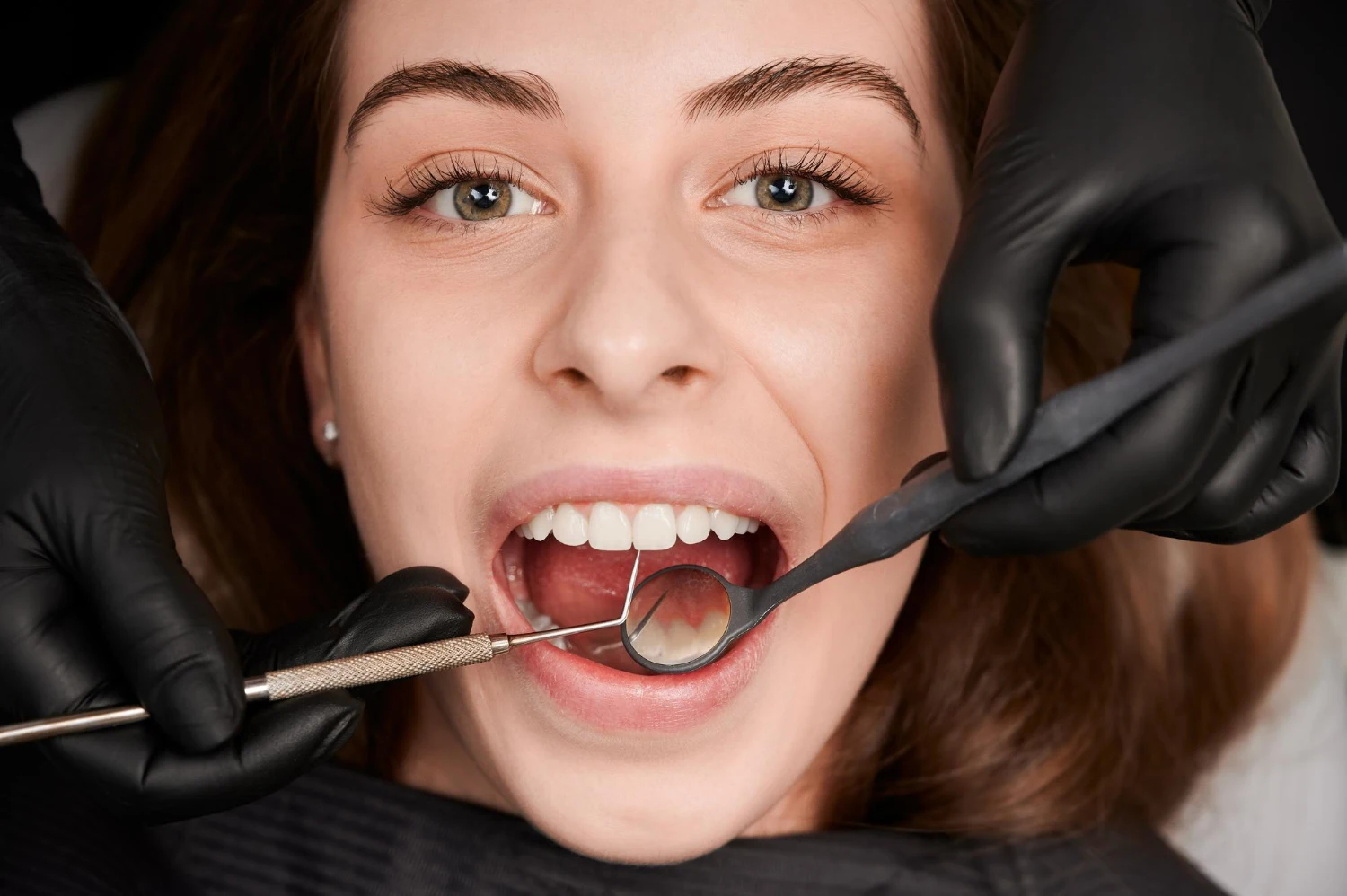
A dental crown covers and protects a weakened or significantly damaged tooth. Crowns may be recommended when a tooth has a large amount of decay, has fractured, has undergone root canal treatment or no longer has enough healthy structure for a smaller restoration.
Dental bridges are used to replace one or more missing teeth. A bridge fills the open space using a replacement tooth or teeth supported by neighboring teeth or, in some cases, dental implants.
Both treatments are designed to restore function while creating a natural-looking result that works with the rest of your smile.
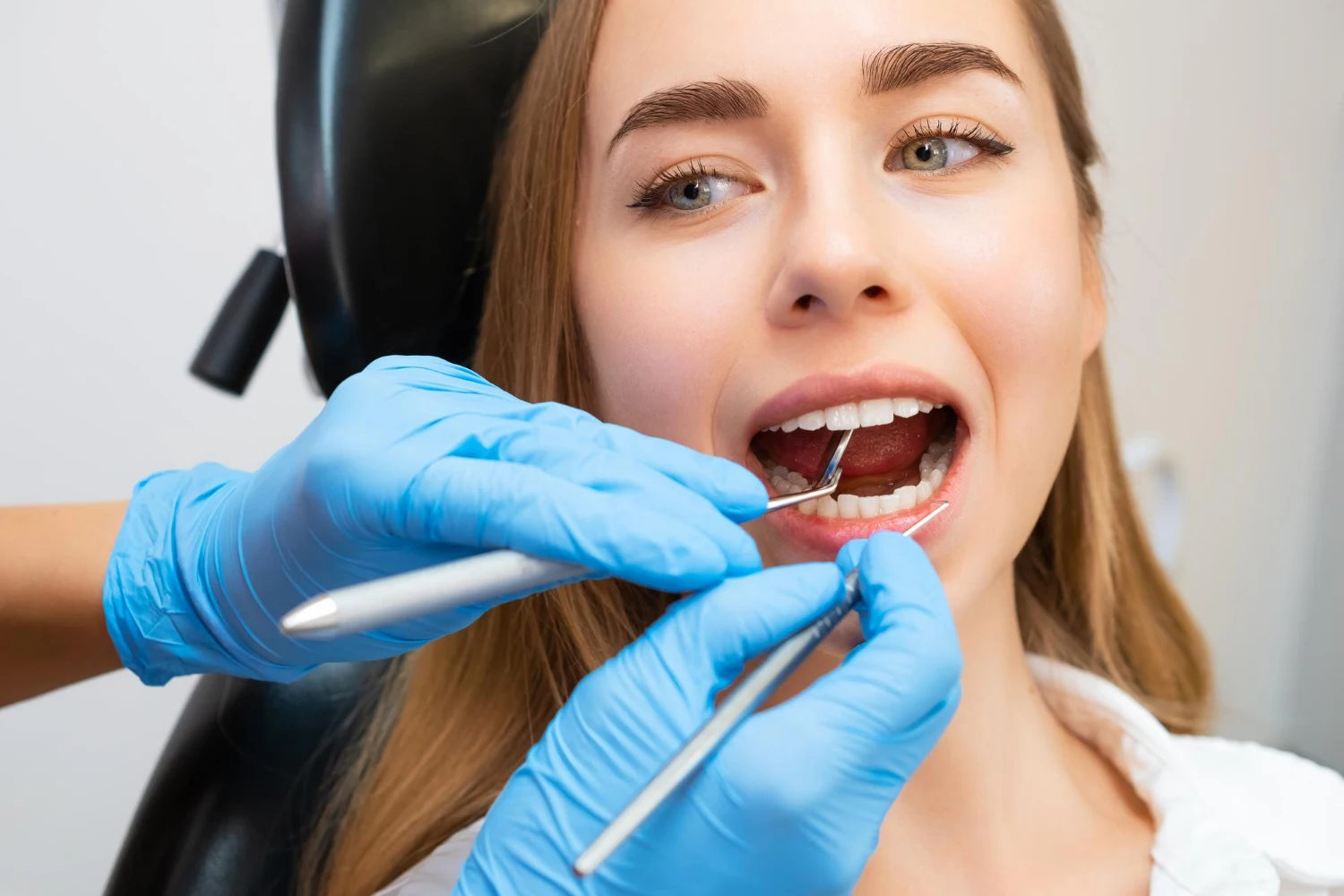
Pain doesn’t always mean a tooth needs to be extracted. When infection or inflammation reaches the tissue inside a tooth, root canal treatment may be able to remove the affected tissue while preserving the natural tooth.
Symptoms that can be associated with a problem inside the tooth include:
Not every toothache requires a root canal, which is why getting an accurate diagnosis is important.
If root canal treatment is appropriate, the infected tissue is removed, the inside of the tooth is cleaned and sealed, and the tooth is restored to help protect it moving forward.
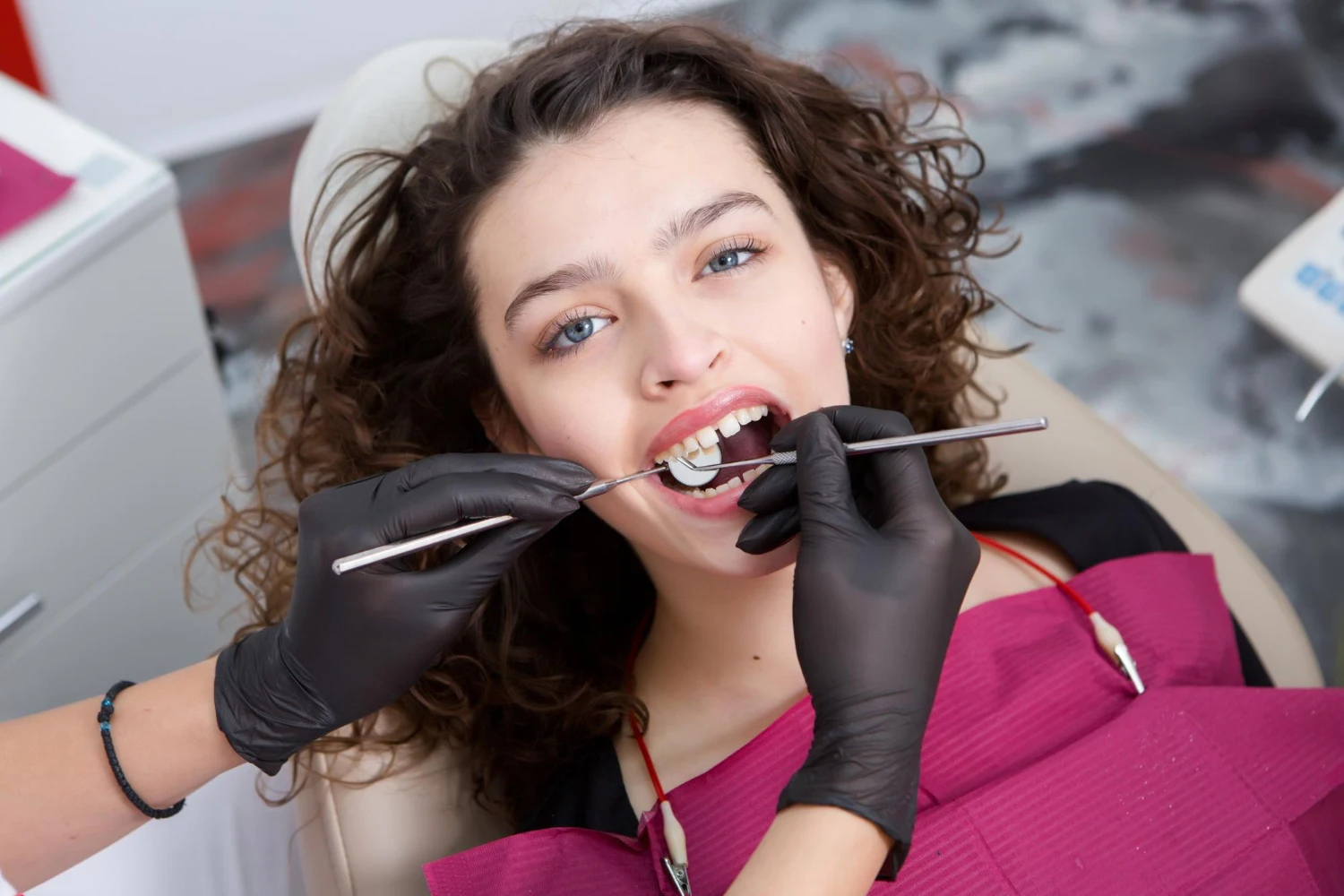
Our first choice is generally to preserve a natural tooth when it can be predictably restored. Sometimes, however, removing a tooth is the healthiest option.
A tooth extraction may be necessary when a tooth is severely decayed, fractured beyond repair, infected or otherwise unable to be successfully restored.
Before recommending an extraction, we’ll evaluate the tooth and discuss whether there are reasonable alternatives for saving it.
If the tooth does need to be removed, we can also discuss whether replacing it is appropriate. Depending on your situation, replacement options may include a dental implant, bridge or removable prosthesis.
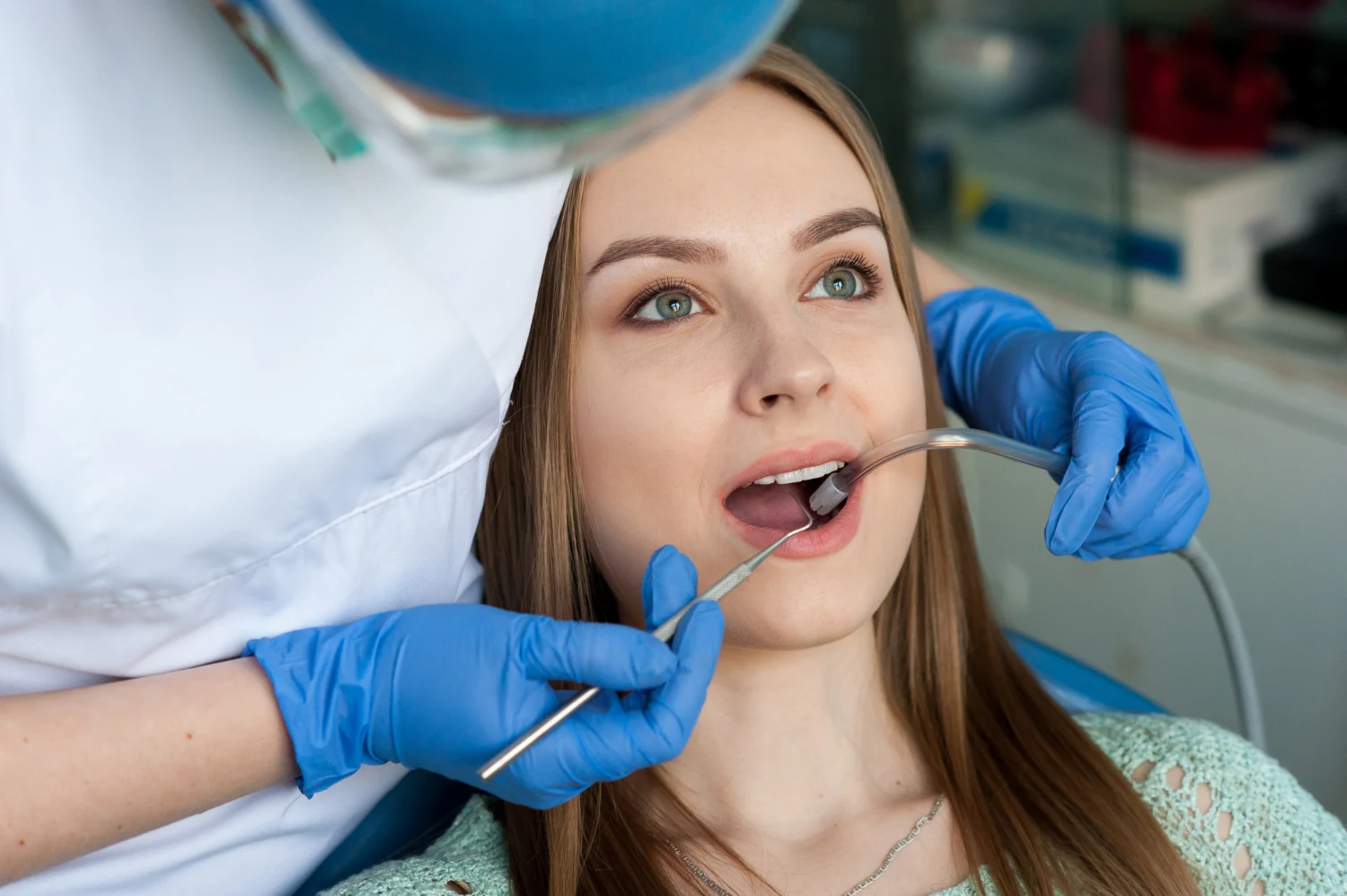
Not every damaged tooth needs a full dental crown.
Inlays and onlays are custom restorations that may be used when a tooth requires more repair than a conventional filling can provide but still has enough healthy structure that a full crown may not be necessary.
An inlay fits within the chewing surface of the tooth, while an onlay can extend over one or more of the tooth’s cusps.
The goal is to restore strength and function while preserving as much healthy tooth structure as reasonably possible.
Start with an appointment.
People put off dental treatment for all kinds of reasons. Sometimes life gets busy. Sometimes a previous dental experience wasn’t great. And sometimes a person knows there are problems and is worried about what they’re going to hear.
You don’t need to have perfect teeth before coming to the dentist.
We’ll evaluate where things stand now, identify any immediate concerns and help prioritize what needs to be addressed. If several treatments are necessary, that doesn’t necessarily mean everything has to happen at once.
The first step is simply understanding what’s going on.
Don’t wait for a routine cleaning if something is hurting.
Dental pain can have many causes, including decay, infection, fractures, damaged restorations and problems involving the gums or surrounding tissues.
Contact Union Street Dentistry if you’re experiencing:
We’ll evaluate the problem and determine the appropriate next step.
Sometimes the problem isn’t limited to one tooth.
Patients with multiple damaged teeth, extensive wear, missing teeth or a combination of dental concerns may need treatment that goes beyond a single filling or crown.
Because Union Street Dentistry provides restorative, cosmetic and implant dentistry in addition to general care, we can evaluate the bigger picture and discuss how different treatments may work together.
Depending on your needs, that could include a combination of:
The right treatment plan depends on your oral health, priorities and long-term goals.
Union Street Dentistry is located at 1740 Union Street in Schenectady, NY and provides dental care for patients from throughout Schenectady and nearby communities, including Niskayuna, Scotia, Rotterdam and the surrounding Capital Region.
Dr. Mohammed Forhad and Dr. Mehek Mumtaz provide comprehensive dental care with an emphasis on understanding each patient’s individual needs and helping them make informed decisions about treatment.
Whether you’re looking for a new dentist for ongoing preventive care or already know there’s a dental problem that needs attention, our team is here to help.
A general dentist provides preventive, diagnostic and restorative dental care. This can include routine exams and cleanings, identifying and treating tooth decay, repairing damaged teeth, crowns, root canal treatment, extractions and managing many other
common dental concerns.
The appropriate schedule depends on your oral health and risk factors. Many patients benefit from routine preventive visits approximately every six months, while others may require a different schedule based on their individual needs.
Schedule an exam. You don’t need to know what treatment you need before coming in. We can evaluate your teeth and gums, identify any concerns and help you determine what should be addressed first.
Yes. Depending on the amount and location of the damage, treatment may include a restorative procedure, inlay or onlay, dental crown, root canal treatment or another approach. Teeth that cannot be predictably restored may require extraction.
Yes. Root canal treatment may be recommended when infection or inflammation affects the tissue inside a tooth and the tooth can still be preserved.
Yes. Union Street Dentistry provides tooth extractions when removal of a tooth is determined to be the appropriate treatment.
Yes. Depending on your needs, options may include dental bridges, dentures, dental implants, implant-supported dentures and full-arch dental implant treatment.
Union Street Dentistry provides emergency dental care for urgent problems such as significant tooth pain, broken teeth and other unexpected dental concerns. Contact the office if you’re experiencing a dental emergency.
Whether you’re due for routine preventive care, have a tooth that needs attention or simply want to get your oral health back on track, Union Street Dentistry can help.
Contact our office at 1740 Union Street in Schenectady, NY to schedule an appointment with our dental team.